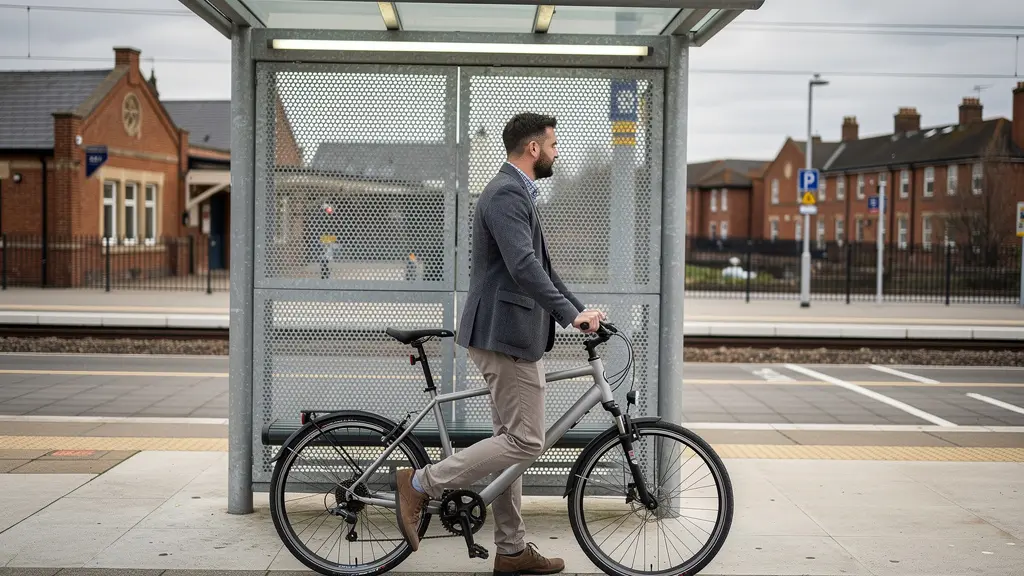
The e-bike changed everything. Heavier frames. Longer wheelbases. Charging needs. Suddenly, shelters designed for traditional bicycles looked painfully inadequate. Working with facilities teams across UK councils, I watch them grapple with the same realisation: specifications written five years ago fail today’s cyclists. What follows cuts through marketing noise to focus on innovations that genuinely perform in the field.
Five shelter trends shaping 2026 projects
- Smart access control delivering measurable theft reduction
- Wider spacing designed for e-bikes and cargo bikes
- Recycled aluminium gaining ground on galvanised steel
- Integrated charging points becoming standard specification
- Modular designs enabling phased capacity expansion
Why Bicycle Shelter Design Has Changed More in Five Years Than the Previous Twenty
The numbers tell the story clearly. UK e-bike sales are projected to reach 165,000 units in 2025, representing a 13% increase from the previous year. That same report shows average commute distances climbing to 7.8 miles, up from 6.2 miles just two years earlier. Longer journeys mean more reliance on secure parking at destinations.
Government investment reflects this shift. The CWIS3 strategy commits £616 million in capital funding from 2026 to 2030 for Active Travel England, with over 3,500 miles of safer routes planned connecting schools, neighbourhoods, and transport hubs. This infrastructure push creates demand for parking that matches new cycling patterns.
13%
Projected UK e-bike sales growth in 2025
Here is my honest assessment: most shelters installed before 2020 were designed for a cycling landscape that no longer exists. The projects I assess regularly reveal specifications based on outdated assumptions about bike dimensions, security needs, and user expectations. Catching up requires understanding which innovations actually matter.
Smart Access and Security: The Innovations That Actually Reduce Theft
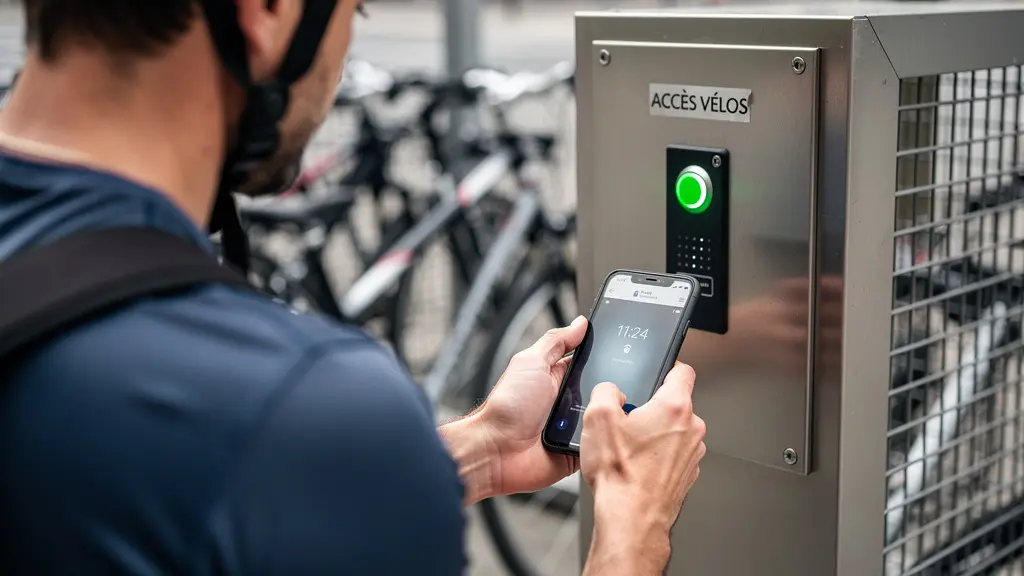
Security technology has matured rapidly. The global bicycle secure system market, valued at $1,520 million in 2024, is expected to reach $2,194 million by 2032. Features like biometric authentication, mobile app connectivity, and GPS tracking are becoming standard rather than premium options. The market is shifting toward connected devices offering remote access and automatic locking.
If you want to explore shelter options that incorporate these security innovations, you can click here to learn more about available configurations. The key is matching technology to context—what works at a rail station differs from what suits a residential development.
Proven Benefits
-
App-based access creates audit trail of entries
-
CCTV integration enables rapid incident response
-
LED lighting improves perceived safety after dark
Overhyped Features
-
Biometric authentication adds cost without matching user demand
-
GPS individual bike tracking rarely used after initial setup
My clear recommendation: prioritise access control and lighting over tracking gadgets. The former addresses theft directly; the latter solves a problem most users do not actually have.
Materials and Sustainability: From Galvanised Steel to Recycled Aluminium and Beyond
Material choice increasingly reflects sustainability commitments. Galvanised steel remains the workhorse—durable, cost-effective, and familiar to maintenance teams. Yet recycled aluminium is gaining specification share as councils chase net-zero targets. The carbon footprint difference matters when procurement teams must justify choices to elected members focused on environmental credentials.
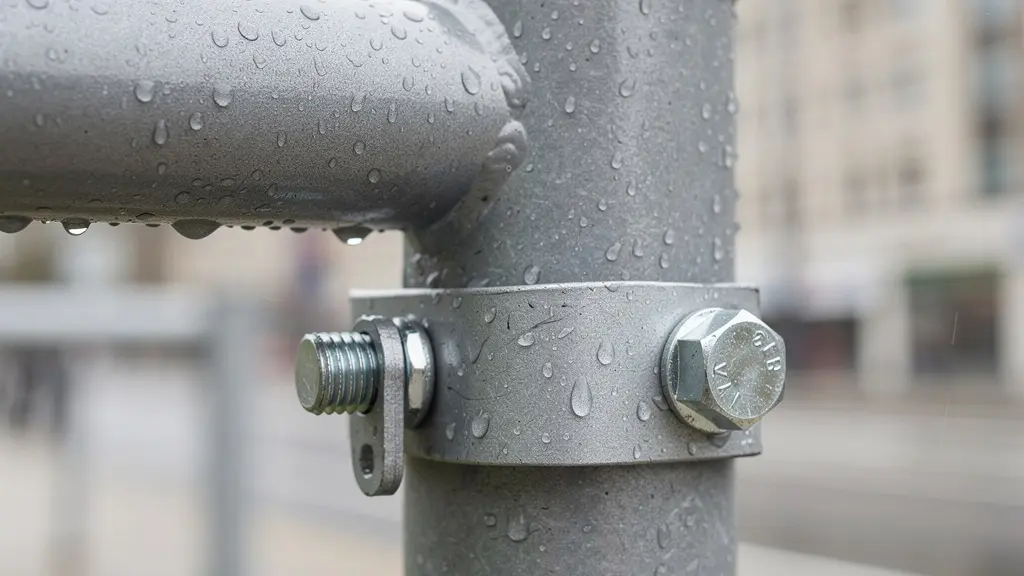
Selecting materials also connects to broader urban design goals. Shelter aesthetics contribute to public realm quality, and councils increasingly specify finishes that complement high-quality street furniture throughout town centres. Integration matters more than it used to.
| Material | Typical Lifespan | Recycled Content | Relative Cost |
|---|---|---|---|
| Galvanised Steel | 25-40 years | Low (typically virgin) | Baseline |
| Recycled Aluminium | 30+ years | High (75%+ available) | +20-35% |
| Stainless Steel | 40+ years | Medium (30-50%) | +40-60% |
Soyons clairs: galvanised steel still makes sense for most budgets. But if your authority has published net-zero commitments, recycled aluminium provides defensible sustainability credentials without sacrificing durability.
Sizing for the Future: E-bikes, Cargo Bikes, and Modular Expansion
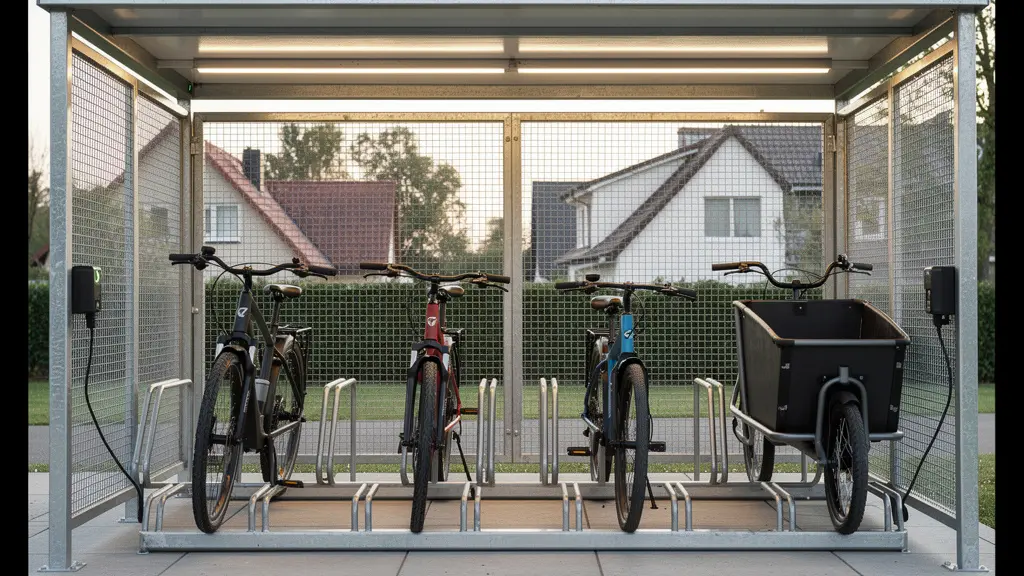
In my experience assessing cycle infrastructure across UK urban sites, one recurring issue stands out: shelters specified using traditional bicycle dimensions consistently fail to accommodate the growing e-bike and cargo bike population. This mismatch can reduce effective capacity by 20-30%. Standard spacing of 600mm per bike was designed for road bikes. E-bikes often need 900-1000mm. Cargo bikes need more again.
The cargo bike trend accelerates this pressure. Cargo bike deployments jumped 63% year-on-year in London according to recent market analysis. Urban logistics and family transport applications drive adoption beyond traditional cycling demographics. Facilities teams who ignore this trend will face complaints within two years.
Manchester rail station upgrade, 2024
I consulted on a facilities team specification that lacked integrated charging from the outset. The original tender documents assumed standard bicycles only. When the procurement process was already underway, stakeholders realised e-bike commuters needed charging access. The redesign delayed installation by eight weeks and added 15% to project costs. Lesson learned: specify charging infrastructure from day one, even if not immediately activated.
Sizing your shelter for the next decade
-
Specify minimum 900mm spacing for at least 30% of spaces
-
Include at least one cargo bike bay per 20 standard spaces
-
Pre-wire for charging even if points are not initially installed
-
Choose modular designs that allow capacity expansion without replacement
My recommendation for most urban contexts: Overspecify spacing now. The cost difference between 600mm and 900mm spacing is marginal. The cost of retrofitting undersized shelters within five years is substantial. Budget constraints feel real today, but inadequate parking generates complaints that consume far more officer time than the upfront investment saved.
The shelter you specify today will serve cyclists for decades. Think beyond current fleet composition. E-bike adoption shows no signs of slowing. Cargo bikes are entering mainstream use. Modular designs that accommodate expansion protect your investment against demand growth you cannot fully predict. Start with realistic assessments of where your cycling population is heading, not where it stood three years ago.