
What this guide covers
Key ergonomic features in 30 seconds:
- Seat height between 420-520mm accommodates most adults comfortably
- Backrests transform short perches into genuine rest spots
- Armrests help users stand and sit—essential for elderly visitors
- Material choice affects thermal comfort as much as durability
What Makes Outdoor Seating Genuinely Ergonomic
Working with councils on public space projects, I’ve noticed a pattern. Specifications focus heavily on finish colours and vandal resistance. Seat dimensions? Often an afterthought, copied from whatever the previous contract used. Yet those dimensions determine whether people actually want to sit there.
According to ergonomic specifications from Broxap, typical bench seat heights range from 420mm to 520mm, with 450mm serving as a reasonable default. That matters because a seat too low makes standing up difficult—particularly for anyone with knee problems. Too high, and shorter visitors dangle their feet, cutting off circulation. The sweet spot depends on your demographic. Town centre benches serving mixed populations need different heights than seating outside a care home.
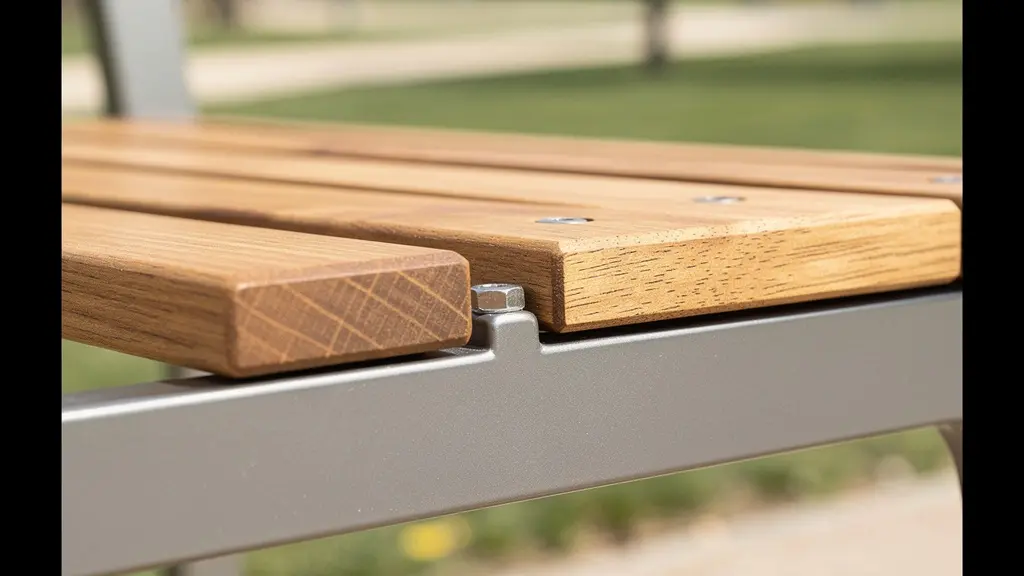
Seat depth runs around 400-450mm for most installations. Go deeper, and users struggle to reach the backrest while keeping their feet grounded. Go shallower, and there’s insufficient thigh support. Backrest angle rarely gets discussed, but it should. A slight recline—roughly 100-110 degrees from horizontal—relieves pressure on the lower spine. Perfectly vertical backs, common in cheaper designs, encourage hunching.
Ergonomic measurements that matter: Seat height 420-520mm (450mm typical), seat depth 400-450mm, backrest inclined 100-110 degrees, armrests positioned approximately 200mm above seat level. These ranges accommodate most adult users while supporting natural posture.
The honest assessment? Not every installation needs premium ergonomic features. Temporary event seating, decorative benches intended for photos rather than rest, deliberately short-stay perches near retail—sometimes basic is acceptable. The installations I’ve reviewed show problems arise when councils expect one-size-fits-all seating to serve genuinely different purposes. A bench outside a GP surgery needs armrests. A ledge seat in a skateboard-friendly plaza probably doesn’t.
Materials That Support Comfort and Durability
Material selection affects more than how long the bench lasts. It determines how the seat feels on a January morning versus an August afternoon. Steel conducts temperature aggressively—cold hands in winter, scorching surfaces in direct sun. Timber moderates temperature better but demands ongoing maintenance. Recycled plastic sits somewhere between, though early generations looked distinctly artificial.
The comparison below focuses on factors that genuinely affect user experience and long-term value, rather than just initial cost:
| Material | Comfort feel | Expected lifespan | Maintenance | Sustainability |
|---|---|---|---|---|
| Galvanised steel | Cold/hot depending on weather | 20+ years | Periodic inspection, occasional repainting | Recyclable at end of life |
| Hardwood (oak) | Temperature-neutral, warm feel | 15-25 years with treatment | Annual oiling/staining recommended | PEFC/FSC certification available |
| Recycled plastic | Moderate temperature, slightly flexible | 25+ years (guaranteed) | Virtually none required | Made from waste; fully recyclable |
According to galvanised steel lifespan data, properly treated steel frames last over 20 years even under severe weather exposure. That longevity makes steel frames a sensible choice, particularly when combined with timber or recycled plastic slats that provide the seating surface. The hybrid approach—steel structure, timber seat—appears frequently in well-specified installations.
Recycled plastic deserves more attention than it typically receives. According to maintenance-free specifications from British Recycled Plastic, these benches carry 25-year guarantees and require virtually no upkeep. Schools report reduced maintenance costs and fewer replacements. Modern recycled plastic looks considerably more natural than earlier versions—some products convincingly mimic timber grain. For councils exploring public benches that balance durability with sustainability, recycled materials warrant serious consideration.
Timber remains popular for aesthetic reasons, and understandably so. Oak develops character over time. But maintenance requirements add up. I consistently recommend prioritising backrest design over seat material—that matters more for actual comfort than most guides suggest. A recycled plastic bench with proper lumbar support outperforms a beautiful hardwood seat with no back whatsoever.
Designing for Different Users in Public Spaces
A common mistake I encounter: specifying identical benches across an entire park without considering who actually uses different areas. The playground perimeter attracts parents and grandparents waiting while children play. The bowling green draws an older demographic who may sit for extended periods. The skate park sees teenagers who barely sit at all. One-size-fits-all seating serves nobody particularly well.
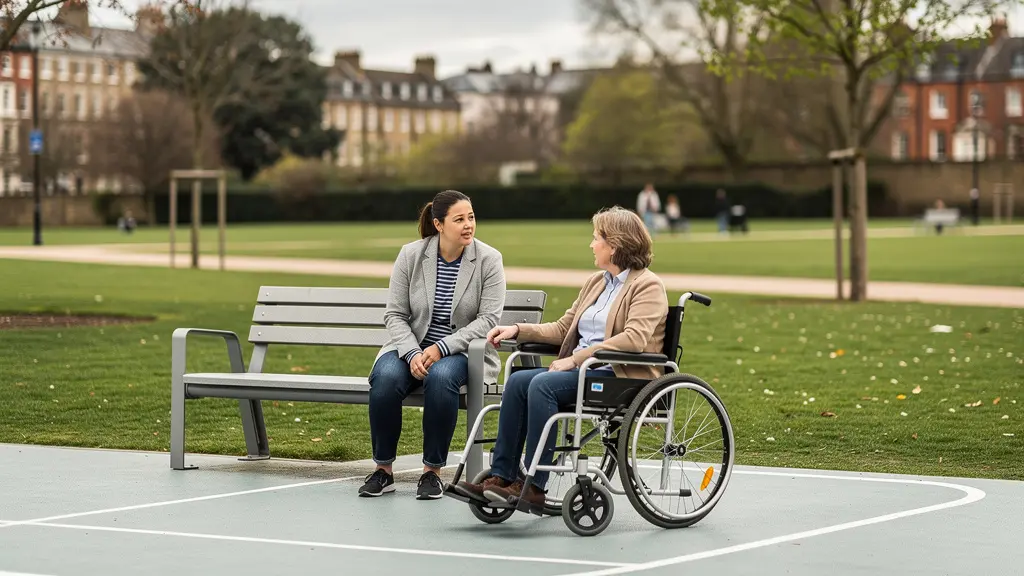
In my experience reviewing public space installations across UK urban parks, I frequently observe a mismatch: benches without backrests placed in areas frequented by elderly visitors. The result? Shorter stays and feedback indicating discomfort. This isn’t universal—it depends heavily on the demographic profile and intended use duration of each space.
Accessibility requirements extend beyond the bench itself. According to accessibility standards from Wheels for Wellbeing, minimum seat width should be at least 500mm per person, with 600-700mm providing for a greater range of users including those carrying medical equipment. Clear space adjacent to seating allows wheelchair users to join groups rather than parking awkwardly to the side. Armrests aren’t decorative—they provide essential support for standing and sitting, particularly benefiting older users and those with reduced mobility.
Accessibility specification checklist
- Seat height between 450-500mm for ease of standing/sitting
- Seat width minimum 500mm per person (600-700mm optimal)
- Backrests on at least some benches in each area
- Armrests at approximately 200mm above seat level
- Clear adjacent space for wheelchair positioning
This list isn’t exhaustive—verify specific requirements with your accessibility officer. BS 8300-1:2018 recommends seating at intervals of no more than 50 metres in pedestrianised areas, recognising that mobility-impaired people require more frequent rest stops. That spacing guidance often gets overlooked during planning.
Thinking about how quality of life with street furniture connects to broader community wellbeing changes the conversation. A bench isn’t just somewhere to sit. It’s what determines whether an elderly resident can walk to the local shops, resting twice along the way, or stays home because the journey feels too daunting.
Your Questions on Outdoor Seating Comfort
Do outdoor benches really need backrests?
For seating intended to accommodate stays longer than a few minutes, backrests significantly improve comfort—particularly for elderly users. Backless benches suit brief perching or decorative purposes but generate complaints when placed in areas where people expect to rest properly. The installations I’ve reviewed consistently show higher satisfaction ratings for seating with lumbar support.
What seat height works for most public spaces?
Seat heights around 450mm serve general populations reasonably well, though the functional range spans 420-520mm. Areas serving predominantly elderly users benefit from heights toward the upper end of that range—making standing easier. Children’s areas might warrant lower seating, though children often prefer sitting on the ground regardless.
Is recycled plastic comfortable compared to timber?
Modern recycled plastic offers comparable seated comfort to timber, with slight flexibility that some users prefer. It maintains moderate temperature in varying weather—neither the cold shock of metal nor the potential splinters of poorly maintained wood. The 25-year guarantees and zero maintenance requirements make it increasingly popular for municipal installations.
How do I justify premium seating costs to finance teams?
Frame the conversation around total cost of ownership rather than purchase price. Cheap benches replaced every eight years cost more than quality seating lasting 25+ years. Maintenance requirements multiply staff time. Complaints generate administrative burden. Accessible, comfortable seating encourages community use—which councils typically want to promote.
What certifications indicate genuinely sustainable timber?
Look for PEFC or FSC certification, which indicate timber sourced from forests managed according to sustainability standards. In the UK, almost 44% of woodland area now holds certification under one or both schemes. Request chain-of-custody documentation to verify claims. Generic « eco-friendly » labels without certification mean little.
Your next step
If you’re specifying outdoor seating for an upcoming project, start with user observation. Spend an hour watching how people currently use the space—where they pause, how long they stay, whether they struggle to stand. That observation reveals more than any catalogue. Match your demographic to appropriate features: backrests where elderly visitors predominate, armrests near healthcare facilities, robust materials in high-traffic areas.
The difference between seating that gets used and seating that gets ignored often comes down to details nobody notices until they’re missing. Get the fundamentals right—height, depth, support—and the aesthetic choices become easier. Get them wrong, and even the most beautiful bench becomes an expensive disappointment.