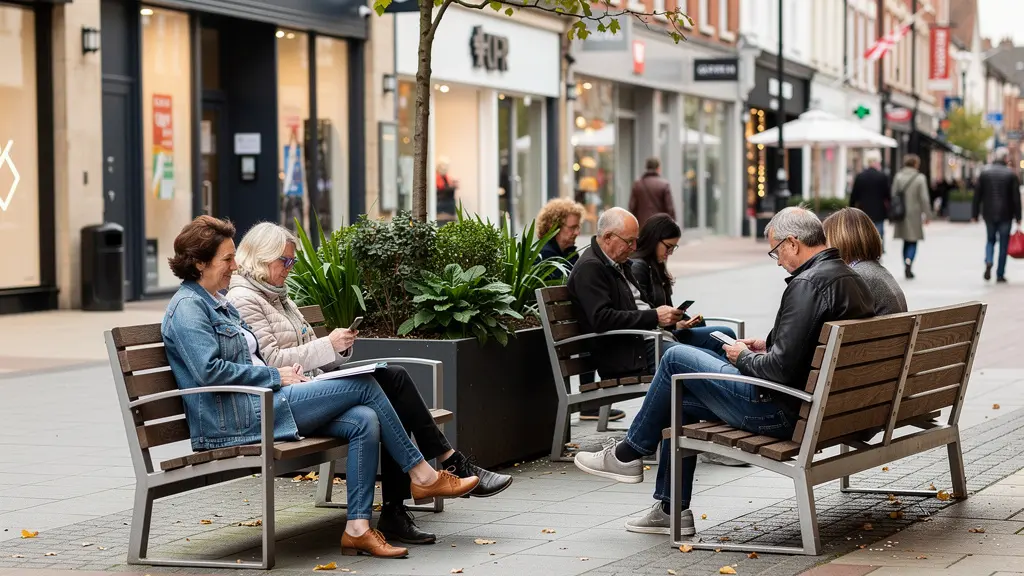
The difference? One procurement focused on upfront cost. The other focused on lifecycle value. Working with councils across the UK, I see this pattern constantly. Street furniture decisions made today shape how communities experience public spaces for decades—or just a few disappointing years.
Street furniture impact in 4 key points:
- Public spaces with varied seating see 40% higher social interaction rates
- Quality furniture typically lasts 15-20 years; budget alternatives fail in 3-5
- UK regulations require accessible seating with armrests and 1.5m clear footway
- Seating every 50 metres enables independent mobility for elderly residents
What this guide covers
Why Street Furniture Matters More Than You Think
Here is something that frustrates me. Council officers often treat street furniture as an afterthought—something to tick off at the end of a regeneration project. Big mistake. Research published in Urbaniture’s community wellbeing analysis found that public spaces with varied seating options see 40% higher social interaction rates. That is not a minor improvement.
40%
Higher social interaction in spaces with quality seating variety
Think about your high street. Every bench tells residents: we want you here. Stay a while. Rest your feet. For elderly residents especially, this matters enormously. The UK Government’s Inclusive Mobility guidance recommends seating at intervals of no more than 50 metres in commonly used pedestrian areas. Without these rest points, some residents simply cannot access town centres independently.
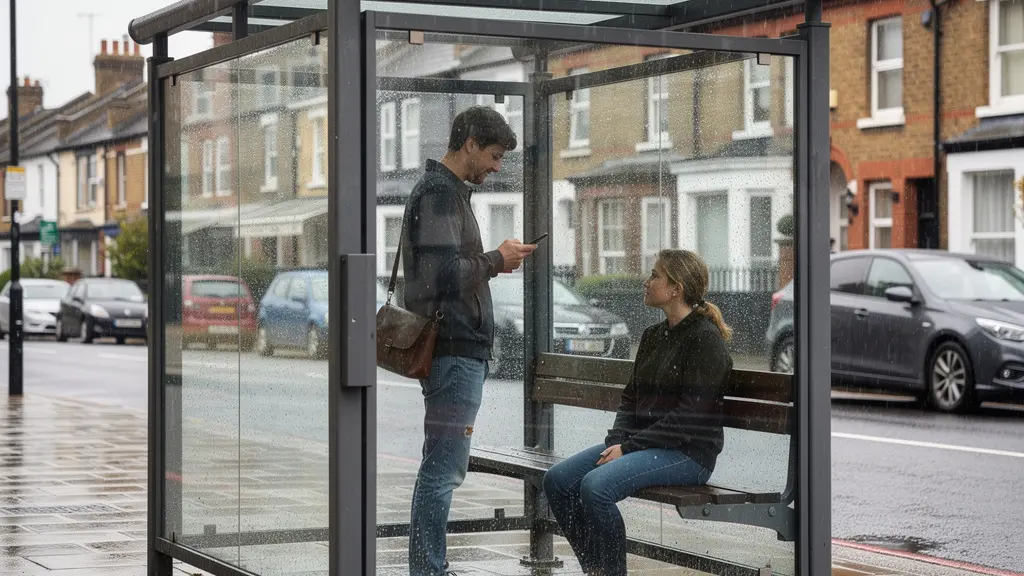
What councils often overlook: Bus shelters do more than provide weather protection. Quality shelters with seating, lighting and real-time information encourage public transport use—supporting council carbon reduction targets without expensive campaigns.
I recall a consultation I observed in Leicester. Residents did not ask for fancy paving or artistic installations. They wanted somewhere decent to sit while waiting for a bus. Somewhere that would not look tatty after a year. Basic needs. Consistently underestimated.
The Furniture That Actually Makes a Difference
Not all street furniture delivers equal community benefit. My view—and I know some colleagues disagree—is that councils should prioritise three categories before anything else: seating, shelters, and cycle parking. Everything else comes second. Specialist suppliers like www.procity.eu offer comprehensive ranges across these categories, but the principle holds regardless of supplier: focus investment where it creates measurable impact.
The comparison below reflects what I see working on the ground. Not theoretical benefits—actual outcomes observed across multiple UK projects.
| Category | Primary Community Benefit | Accessibility Impact | Priority Level |
|---|---|---|---|
| Seating (benches, perch rails) | Enables longer town centre visits, social interaction | Critical for elderly and mobility-impaired | Essential |
| Bus shelters | Increases public transport use, reduces car dependency | Weather protection essential for vulnerable users | Essential |
| Cycle parking | Supports active travel targets, reduces congestion | Moderate—benefits able-bodied cyclists primarily | High |
| Litter bins | Cleaner spaces, reduced maintenance costs | Low direct accessibility impact | Medium |
| Planters and bollards | Aesthetic improvement, traffic calming | Can create barriers if poorly positioned | Medium |

Academic research supports this prioritisation. Whyte’s foundational research, cited in a 2022 sustainability study, confirmed that places with appropriately located seating are significantly more likely to be visited. People vote with their feet. Give them reasons to stay.
Quality Markers That Separate Lasting From Failing
In my experience reviewing urban furniture projects across UK councils, I frequently observe the same mistake: prioritising the lowest initial cost. The result? Replacement needed within 3-5 years instead of 15-20. This observation is specific to UK contexts and may vary based on climate conditions and maintenance budgets—but the pattern is consistent enough that I now raise it in every project meeting.
The classic trap: A procurement officer selects the cheapest compliant bid, then retires or moves departments before the furniture fails. The replacement cost lands on someone else’s budget. I have seen this happen in Birmingham, Bristol, and three London boroughs. Watch out for unusually low quotes—someone is cutting corners.
A Midlands town centre I advised on
I consulted with a planning officer in a mid-sized Midlands town facing a frustrating situation. The existing benches were unusable—poor drainage design meant water pooled on seats after every rain. Budget had already been allocated to like-for-like replacement. Same problem, same waste. We pushed back. The redesign cost 15% more but incorporated proper drainage and accessible seating heights. Two years on, no complaints. Sometimes spending slightly more upfront prevents spending far more later.
Regulations provide minimum standards. According to UK street furniture regulations, accessible seating must include armrests and appropriate seat heights for users with mobility issues. BS EN 581 covers load-bearing capacity and stability for outdoor seating. Meeting these standards is non-negotiable—but meeting them is not the same as exceeding them.
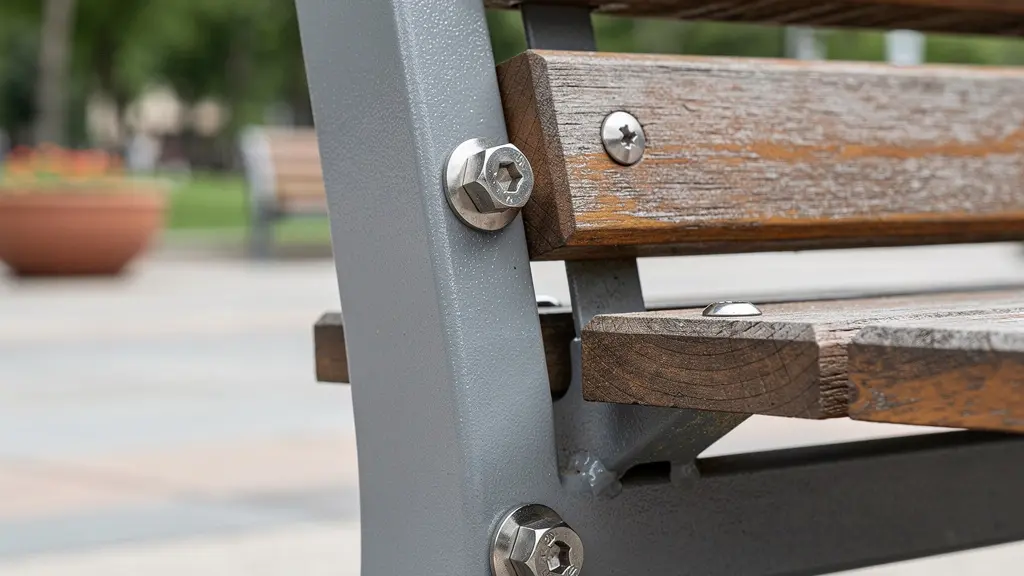
Quality markers to verify before purchasing
- Minimum 10-year structural guarantee (5 years is industry baseline—aim higher)
- Stainless steel or marine-grade fixings specified (not zinc-plated)
- Replaceable components available (slats, bolts, armrests)
- BS EN 581 compliance certificate provided
- Reference installations you can physically inspect (not just photos)
Modular designs deserve special attention. Research indicates they can extend product lifespans by up to 70%. When a component fails, you replace the component—not the entire unit. This matters when budgets tighten.
Your Questions About Urban Furniture Investments
The objections I hear from council officers follow predictable patterns. Elected members want proof. Finance teams want justification. Here are the questions that come up most often—and how I address them.
Common questions about street furniture investment
How do I justify the cost to councillors?
Frame it as lifecycle cost, not purchase cost. A £400 bench replaced every 5 years costs £2,400 over 30 years plus installation labour each time. A £900 bench lasting 25 years costs £900 plus one installation. The numbers usually speak for themselves. Add the reputational cost of visibly failing furniture on your high street.
What is the realistic lifespan difference between budget and quality furniture?
In my experience across UK councils, budget furniture typically shows significant degradation within 3-5 years. Quality furniture from reputable manufacturers, properly maintained, routinely lasts 15-20 years. Some timber benches I encounter are still serviceable after 30 years with periodic treatment.
How do I ensure furniture meets Equality Act accessibility requirements?
Specify armrests on at least 50% of seating. Require seat heights between 450-500mm. Maintain 1.5 metres minimum clear footway alongside all installations. Request BS EN compliance documentation. Consult your local access group during specification—they spot issues procurement officers miss.
Your next step
The essentials before your next furniture decision
- Audit existing furniture: what is failing, and why?
- Calculate 20-year lifecycle costs, not just purchase prices
- Visit reference installations before committing to any supplier
Quality street furniture is not a luxury. It is infrastructure that shapes how residents experience their community every single day. The projects I have seen succeed share one trait: someone insisted on quality when it would have been easier to accept mediocrity. That someone could be you.