Entertainment & Leisure
In our fast-paced modern world, entertainment and leisure have evolved from simple luxuries to essential components of a balanced, healthy life. Whether you’re unwinding after a demanding workweek, nurturing relationships through shared experiences, or exploring new passions that spark creativity, how you spend your free time profoundly impacts your overall well-being. Yet many people struggle to navigate the overwhelming array of options available today, from traditional pastimes to cutting-edge digital experiences.
This comprehensive resource explores the multifaceted world of entertainment and leisure, breaking down the major categories of activities, examining their unique benefits, and providing practical insights to help you make informed choices. From understanding why leisure matters for your mental health to discovering activities that align with your lifestyle, you’ll gain the knowledge needed to transform your downtime into truly enriching experiences.
What Makes Entertainment and Leisure Essential?
Far from being frivolous indulgences, entertainment and leisure activities serve critical functions in human life. Research consistently demonstrates that people who regularly engage in enjoyable recreational pursuits report higher life satisfaction, lower stress levels, and improved cognitive function. Think of leisure as the mental equivalent of physical rest—just as your muscles need recovery time after exercise, your mind requires periods of playful engagement to maintain peak performance.
Beyond individual well-being, shared entertainment experiences strengthen social bonds. Whether attending a concert with friends, playing board games with family, or joining a local sports league, these activities create memories and deepen connections in ways that routine interactions cannot. A study by recreational researchers found that couples who regularly participate in novel, exciting activities together report higher relationship satisfaction than those who stick to predictable routines.
Entertainment also provides a safe space for personal growth and skill development. Learning a musical instrument, mastering a new video game, or tackling challenging hiking trails all build competence and confidence. These achievements, though pursued for enjoyment, often translate into improved problem-solving abilities and resilience that benefit other life areas. The key is recognizing that “fun” activities are not wasted time—they’re investments in your mental, emotional, and social health.
Exploring Different Types of Entertainment
The entertainment landscape encompasses an extraordinarily diverse range of activities, each offering distinct experiences and benefits. Understanding these categories helps you identify which forms resonate most with your preferences and needs.
Visual and Audio Entertainment
This category includes films, television series, podcasts, music, and visual arts—experiences consumed primarily through sight and sound. Passive consumption like watching a compelling documentary or listening to a favorite album requires minimal physical effort but can deliver profound emotional and intellectual rewards. Streaming platforms have democratized access to global content, allowing viewers to explore foreign cinema, niche documentary subjects, or independent music that would have been nearly impossible to discover a generation ago. The beauty of visual and audio entertainment lies in its accessibility; you can engage with these forms virtually anywhere, making them ideal for filling short breaks or unwinding before sleep.
Interactive and Participatory Activities
Video games, escape rooms, interactive theater, and hands-on workshops represent entertainment that demands active participation. Unlike passive media, these experiences respond to your choices, creating a sense of agency and immersion. Modern video games, for instance, range from puzzle-solving adventures that challenge spatial reasoning to massive multiplayer worlds fostering teamwork and strategic thinking. Interactive entertainment often provides immediate feedback, creating satisfying learning loops where you can see your skills improve in real time. This category particularly appeals to those who find relaxation through engagement rather than passive observation.
Live Performances and Events
Theater productions, concerts, comedy shows, sporting events, and festivals offer the irreplaceable element of shared, real-time experience. The energy of a live crowd, the spontaneity of performers responding to audience reactions, and the knowledge that each performance is unique create a sense of occasion that recorded media cannot replicate. Attending a local theater production supports community artists while providing an evening of storytelling; watching a sports match in person immerses you in collective emotion that transforms strangers into temporary allies. These experiences, though often requiring more planning and investment than other entertainment forms, deliver powerful memories and communal connection.
Leisure Activities for Every Lifestyle
Your ideal leisure pursuits depend heavily on your personality, physical capabilities, available resources, and social preferences. Recognizing this diversity helps you build a personalized recreation portfolio rather than forcing yourself into activities that don’t suit your nature.
Outdoor Adventures and Nature-Based Recreation
Hiking, cycling, kayaking, camping, birdwatching, and gardening connect you with the natural world while providing physical exercise. Studies show that spending time in green spaces reduces cortisol levels and improves mood more effectively than equivalent time in urban environments. You don’t need wilderness access to benefit—urban parks, community gardens, and even tending houseplants offer nature connection. Outdoor leisure activities often cost less than indoor alternatives once initial equipment is acquired, making them budget-friendly long-term options. The changing seasons naturally vary these experiences, preventing monotony.
Indoor Hobbies and Creative Pursuits
Cooking, painting, crafting, reading, playing instruments, and collecting appeal to those seeking climate-controlled comfort or living in areas with challenging weather. Creative hobbies provide tangible outputs—a finished painting, a knitted scarf, a perfected recipe—that deliver satisfaction beyond the activity itself. These pursuits often improve with practice, offering a lifelong progression path. Indoor activities also allow for flexible scheduling; you can spend fifteen minutes or five hours depending on available time. Many indoor hobbies foster online communities where enthusiasts share techniques, creating social connection even in solitary activities.
Social vs Solo Activities
Some people recharge through social interaction, thriving in group fitness classes, team sports, or game nights. Others find solitude restorative, preferring solo runs, individual art projects, or single-player gaming. Most people benefit from a balance—scheduling regular social activities to maintain relationships while protecting alone time for introspection. Consider whether an activity’s social dimension is essential or incidental to your enjoyment. Book clubs, for example, combine solo reading with group discussion, offering a hybrid approach. Recognizing your social energy patterns helps prevent burnout from over-scheduling or isolation from insufficient social engagement.
How Digital Innovation Has Transformed Entertainment
The digital revolution has fundamentally restructured how people access and experience entertainment. Streaming services replaced scheduled broadcasting with on-demand libraries; social media platforms turned content consumption into participatory creation; and virtual reality began blurring lines between digital and physical experiences. This transformation offers unprecedented convenience and variety—you can sample Korean dramas, attend virtual museum tours, or join multiplayer games with international players, all from your living room.
However, digital entertainment presents distinct challenges. The endless scroll of content can paradoxically make choosing difficult, leading to decision fatigue. Algorithms designed to maximize engagement sometimes create echo chambers rather than exposing you to diverse perspectives. Screen time, while not inherently harmful, can displace physical activity and in-person social interaction when imbalanced. The key is treating digital tools as means to meaningful ends rather than defaults.
Traditional entertainment forms haven’t disappeared—they’ve adapted. Physical bookstores now host author events and reading groups, creating community experiences around reading. Board game cafes combine analog gaming with social venues. Vinyl record sales have resurged among listeners valuing the ritual and sound quality. The most fulfilling approach often combines both: using podcast recommendations to discover new music, then attending that artist’s live concert; watching cooking shows for inspiration, then preparing meals for friends. Digital and traditional entertainment complement rather than compete when thoughtfully integrated.
Making the Most of Your Free Time
Having leisure time means little without intentional planning to use it well. Start by auditing how you currently spend free hours. Many people overestimate time spent on fulfilling activities and underestimate passive scrolling. Track one typical week to identify patterns—you might discover you have more discretionary time than assumed, simply scattered in small increments.
Budget considerations matter for sustainable leisure. Entertainment spending often creeps upward through subscription accumulation and impulse purchases. Review monthly entertainment costs and prioritize services you actively use. Many fulfilling activities—library visits, free community events, nature walks, hosting game nights—cost nothing. Allocate a specific entertainment budget and explore how mixing free, low-cost, and occasional premium experiences maximizes satisfaction without financial stress.
The concept of “deliberate leisure” involves approaching free time with the same intentionality you bring to work projects. This doesn’t mean rigid scheduling, but rather making conscious choices aligned with your values and goals. If physical health matters to you, schedule active recreation. If creativity feels neglected, block time for artistic pursuits. If relationships need strengthening, plan shared experiences. Balance spontaneity with structure—maintain a list of activities you’ve wanted to try, so when unexpected free time appears, you can choose meaningfully rather than defaulting to whatever’s easiest. Quality leisure time rarely happens accidentally; it results from thoughtful cultivation of experiences that genuinely restore and fulfill you.
Entertainment and leisure represent far more than time-fillers between work obligations. They are essential ingredients in a well-lived life, providing restoration, growth, connection, and joy. By understanding the diverse forms available, identifying activities aligned with your unique preferences and circumstances, and approaching your free time with intentionality, you transform leisure from passive consumption into active cultivation of well-being. The journey of discovering what truly enriches your downtime is itself rewarding—embrace experimentation, remain open to new experiences, and remember that the “best” entertainment is simply what brings you genuine fulfillment.
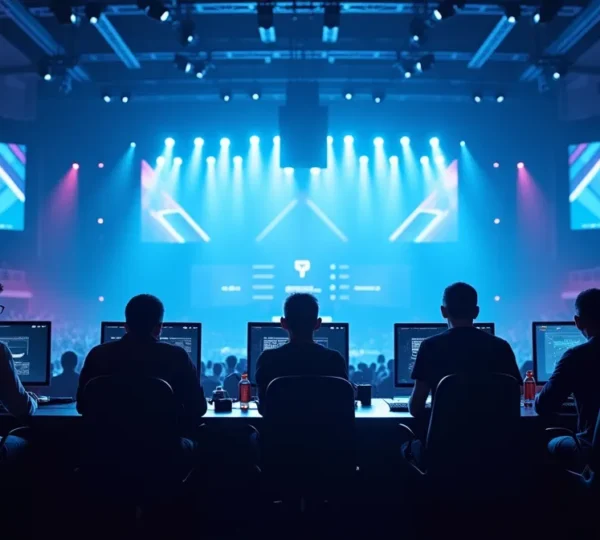
Beyond the Grind: How to Build a Sustainable Career in Esports
In summary: A successful esports career depends more on strategic practice and business acumen than on raw mechanical skill or endless grinding. Building a professional “player portfolio” that showcases game sense and analytical skills is more effective for getting scouted…
Read more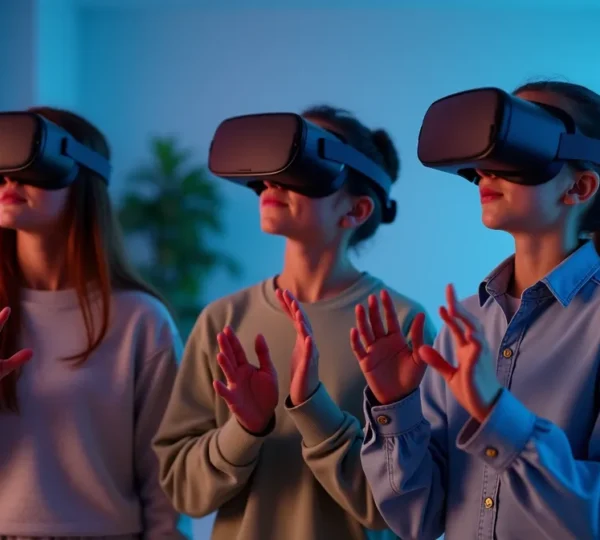
Immersive Metaverse Worlds: Are They Replacing Physical Socializing for Gen Alpha?
Contrary to fears of social isolation, the metaverse is not simply replacing physical interaction for Gen Alpha; it is fundamentally re-engineering the very mechanics of their social development. The “Proteus Effect” demonstrates that an avatar’s appearance measurably alters a user’s…
Read more
Cloud Gaming on a Low-End PC: A Myth or a Masterable Science?
Running AAA games on a budget PC via the cloud isn’t about magic; it’s about mastering the technical trade-offs of the entire latency chain. Input lag is the sum of multiple delays, and anything over 100ms can make competitive games…
Read more
Beyond Burnout: The Savvy Household’s Guide to Mastering Streaming Services
The solution to subscription fatigue isn’t just canceling services, but actively managing your entire digital life as a portfolio of assets. Strategic rotation (“churning”) and legal account sharing are now core consumer skills for maximizing content while minimizing cost. The…
Read more